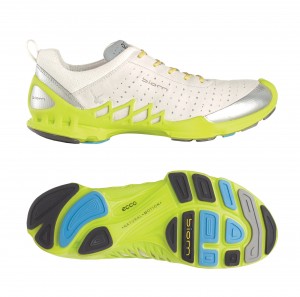
 I recently took an entirely new shoe concept for a test spin. ECCO is a Danish shoe manufacturer and an international leader in comfort shoes and they have launched a bold new running shoe concept with the release of their BIOM. BIOM is based on the philosophy of allowing your foot to move freely in the direction that it was intended.
BIOM uses a classification system that moves away from conventional running shoe categories and is segmented as “Natural Motion”. BIOM orients itself to a runner’s training conditions, running type, and pace and offers three different models for runners ranging from competitive to recreational.
The construction and fit of BIOM concept was based on scanning the feet of 2500 runners. In addition, BIOM is the first shoe in the running industry to use a patented direct-inject technology to seamlessly infuse polyurethane (PU) to bond the shoe’s upper to the midsole providing full-length anatomical foot support. With this new philosophy, the foot is free to move, building muscle and strength for optimal performance.
To further refine their product, ECCO teamed up with Danish triathlete Torbjorn Sindballe to tap into his athletic expertise for the development of the shoe. Sinballe has worked with ECCO to create a training plan to ease consumers into the shoe naturally.
My experience has been nothing short of very positive thus far. Minutes into my first run, two words came to mind; “light” and “quiet”. Finding a running shoe that can make the pounding of a 6’3”, 200 pound frame feel light and quiet is not always easy to come by. There is an adjustment period required to acclimate your foot and body to the design of this shoe which the company explains in great detail in the packaging information.
I found the shoe to offer a very comfortable fit and performed quite well. If you are ready to break out of your conventional shell and try something a little unique, check out the ECCO BIOM.
For more information, visit www.thebiomproject.com
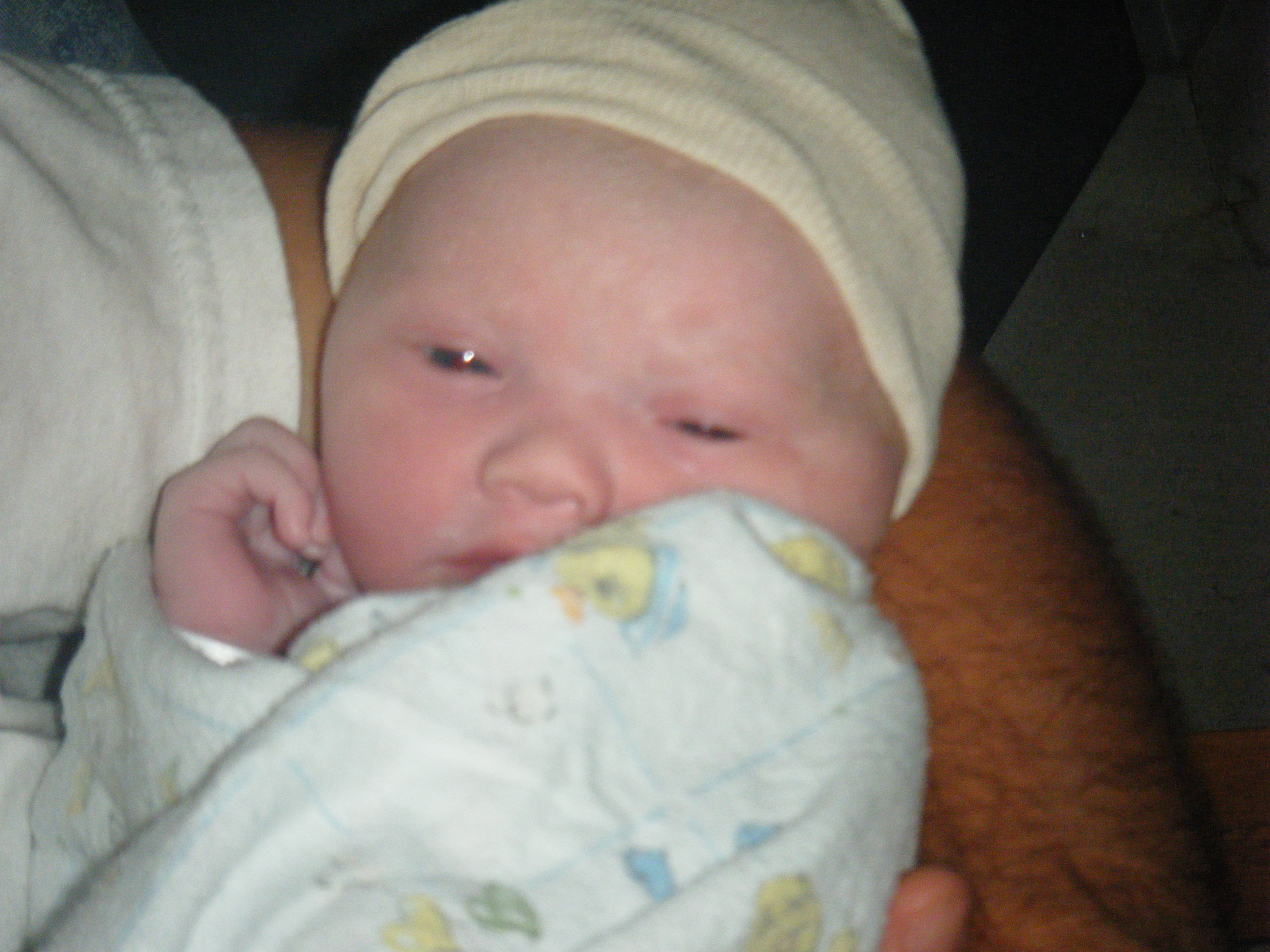 That perspective changed a little bit for me at 8:52 a.m. on July 29th, 2009. In that instant my daughter gave birth to a daughter. Yes, that would make that new baby my granddaughter. I had no idea how special that moment could have been. When I looked at my baby holding a baby that she could call her own everything changed. I feel like she filled a gap that I didn’t even know existed. I still don’t fully understand the rules of engagement on this new grandfather role. I don’t think I am old enough to be one, although I did have some great role models in my father and in my grandfathers. Everyone keeps asking me what my name will be and I have heard a million and a half suggestions but I still have no clue ….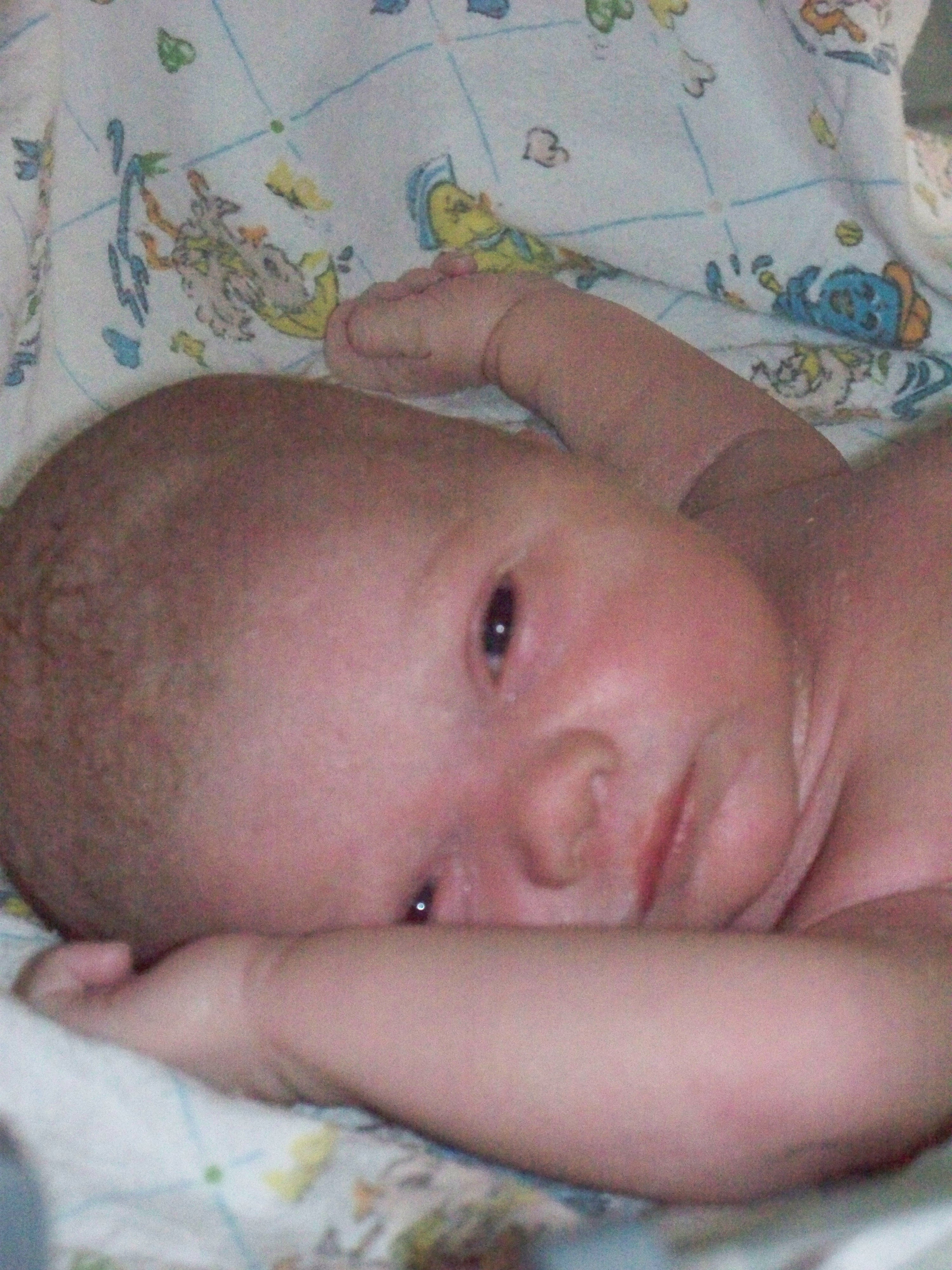
 As I approach the midway point of what is shaping up to be a very good and very full racing season, I have found myself in awe of a number of people for a number of different reasons. I volunteered at the Avalon Islandman and Islandkids race in July which are always great events but what stands out most about the weekend is the kid’s race. Kids of all ages swim, bike, and run their way to becoming “triathletes”. The expressions on their faces are priceless. Some look horrified, and you just know they can’t wait to get finished, others look confident and poised. But at the end of the day, they are all triathletes and are all winners. Races like these are cornerstones or exclamation points for some kids. Accomplishments such as these are just what some kids need to bolster their self confidence and self esteem. Yes, they are fun and games, but races like this can give kids direction and set them on the right course at a very young age. Unfortunately these events, like all others, are not without a few “stage parents” who put a little too much pressure on their kids to perform. There are great growth and development lessons in this sport, as long as the parents keep their distance, watch from the sidelines and let the kids be kids.
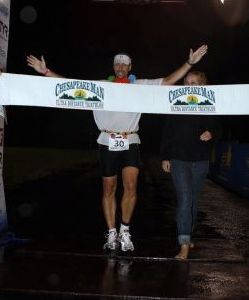 Keep this thought in mind through your travels. We are all born with an inner flame that radiates heat and warmth. We can control how we use it and we can control the intensity in which it burns. Left alone it will react in the same manner as any flame; eventually it will go out. It might live a relatively long and luminous life, or it may extinguish prematurely. But for one reason or another, the flame will go out. We have a choice how we use our flame in life. We can keep it close and keep ourselves warm, and use it to light the path before us. These are perfectly acceptable uses of our flame. But, as I said, at some point the flame will die. And at the end of the day, you have one single source of heat and light, which lived its life and passed on. What is left as a result? Cold? Darkness? What did that flame leave behind?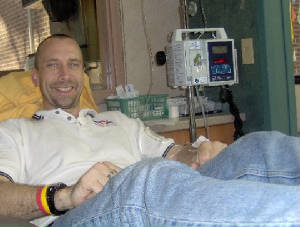
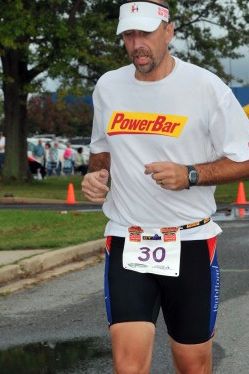 Keeping Pace
Tragedy Drives Woman to Triathlon
Source – Jason Mucher / USA Triathlon August, 2009
After an undetected heart condition claimed the life of 38-year-old Joe Lyons during the 2007 Cohasset Triathlon, no one would have blamed Joe’s widow, Karen, if she distanced herself from the sport.
In fact, though she enjoyed an active lifestyle, Karen had never participated in a triathlon.
However, that tragedy two years ago actually drove Karen toward the sport, not only as a participant and active member of the multisport community, but also as an advocate for race safety. Ironically, in 2008 Karen, who resides in Newton, Mass., entered her first triathlon at Cohasset, where her husband had died just a year earlier. She has now completed five races, including the Cohasset Triathlon for a second time.
“The last two years I’ve been filled with gratitude with the support I’ve received. I look at life, what’s in front of me and walk toward it. I’ve always been that type of person,” says Karen, who is also active in raising funds to fight juvenile diabetes, a disease her son has [check out www.teamlyons.org]. “It’s just how I am. I don’t like to let things sit or go. This is an opportunity to serve others.”
For Karen, that service is two-fold: correcting misperceptions about triathlon being a dangerous sport and persuading highly competitive athletes that it’s okay to stop during a race if something doesn’t feel right with their bodies.
Karen, 45, was particularly troubled over the past few months when a widely reported medical study concluded that triathlons are particularly dangerous when compared to other endurance events.
“The way [the study] was written, it implies novices shouldn’t be in the sport. It suggested you’re better off sitting on the couch than living an active lifestyle,” Karen says. “It also implied races weren’t safe. Saying you could die during a race is like saying you could get hit by a car after the race. Of course both are possible, but they are both also incredibly rare. I have as good a reason as anyone [not to race triathlons]. But I don’t think that’s the answer. Deterring people is not the way to go. It undermines the message that leading an active lifestyle is one of the best ways to stay healthy.”
She wants the public to know that triathlon is a great sport, one that builds community, provides an avenue for supporting worthy causes, and promotes a healthy lifestyle. “This sport for me has been such a positive thing. The community, the camaraderie; it’s so inspiring. I can’t imagine saying I’m better off not participating. [Triathlon has] been a wonderful sport for me. I’d like to see more people getting involved. It accommodates everybody. Don’t be frightened by it.
“It’s amazing that the sport at the center of this tragedy has also helped my healing. I am grateful for it.”
In the face of her enthusiasm, Karen does understand that unsafe physiological conditions can arise during physical activity. So she encourages individuals to take proper precautions before entering this or any physically demanding sport. A checkup from a family doctor is important, she says. But she also recognizes that some individuals have conditions, like her husband’s, that can go undetected even in medical exams. “Most of us don’t get tested if we don’t have a reason,” she says. “You should do that. That’s what Joe did. But what about people, like Joe, who get the ‘all clear’?”
To those individuals, Karen recommends a bit more awareness of their own bodies during training and racing. “A lot of us don’t know when to stop. Joe felt that something was ‘off’ during the swim at Cohasset and actually stopped midway to discuss his situation with a lifeguard in a kayak,” Karen recalls. “But, having been told by a doctor that he was healthy and had no cause for concern, he chose to keep going. If he had known, he would have stopped.
“You can’t check your commonsense at the starting line. If your body doesn’t feel right, stop. Body awareness is essential. Know to look for it, when you’re feeling different even when you don’t know what it is. It is important to take a reasonable amount of caution.”
While her son has yet to race in his first triathlon, Karen has no thoughts of holding him back, and has even considered letting him compete in the Cohasset Triathlon when he turns 13. She has worked hard to ensure that he appreciates the sport and the value of staying active, but more importantly that his father’s death wasn’t due to his racing. “I want my son to know his dad didn’t do anything wrong. It just happened,” she says. “Knowing that, my son is not afraid of the sport or of me participating in it. Things happen; we still keep going. We can do good things even in the face of bad circumstances.”